About the desk · Staten Island, NY

Six weeks from now, a writer files your story.

That’s the whole job. Kettle & Lantern is a media-relations desk that only works with independent breweries, distilleries and cideries — here’s why we stay in one lane, the rules we keep, and what’s actually on the desk while your campaign runs.

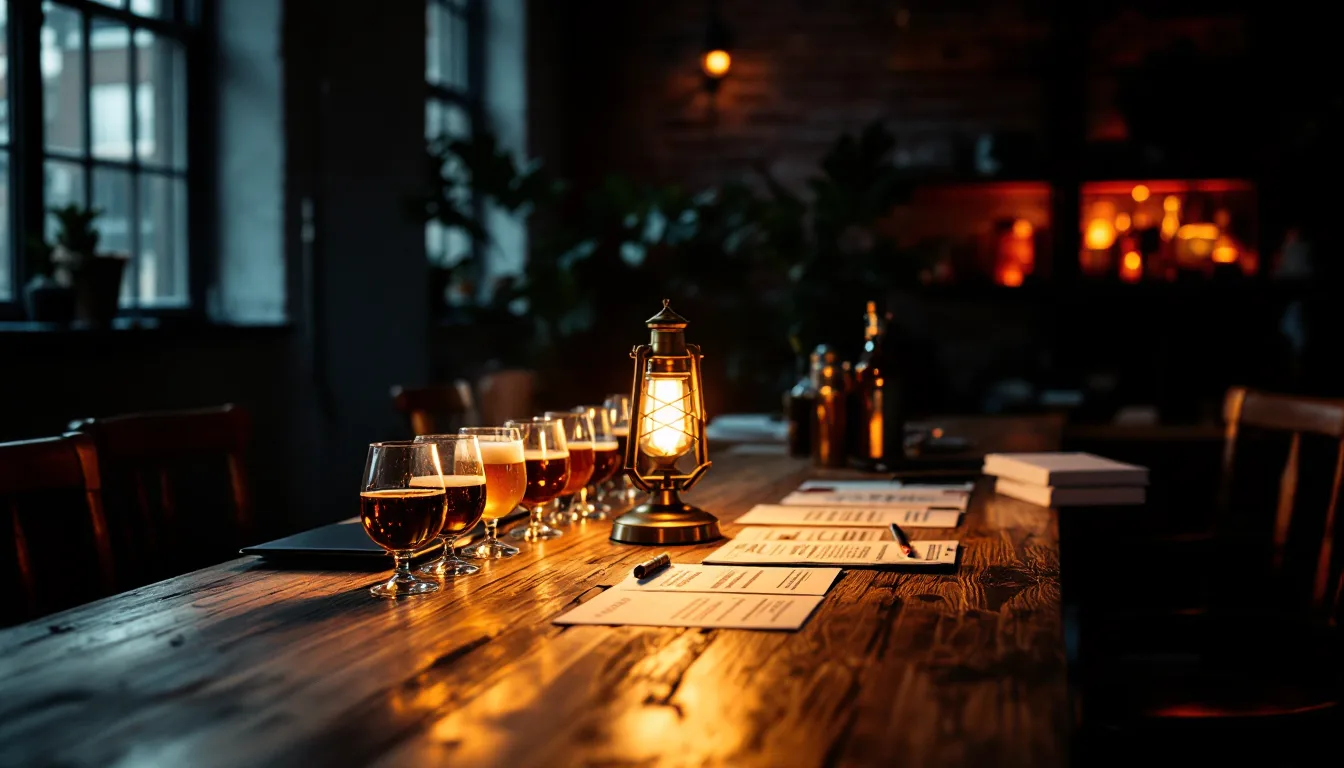
A long walnut desk in a warehouse loft with craft beer cans, a cider bottle and a whiskey bottle lined up beside an edited press release and a lit brass lantern
Fig. 02 — The deskMon 08:30

Why we exist

The best pour in town is rarely the best-covered one

The short version, then the long one

Big drinks brands land press because somebody’s paid to make it happen every single month. Independent brewhouses, still houses and cider barns land press when a writer happens to wander in. We’re the bit in between: a desk that pitches only craft beverage, billed one launch at a time.

The name is the job description. The kettle is where your thing gets made — mash tun, pot still, cider press. The lantern is us, holding it up high enough that the right writer can spot it in an inbox with four hundred unread pitches.

We picked one category on purpose. Pitching only beer, spirits and cider means our media list isn’t rented from a database; it’s kept by hand and re-checked every campaign — who covers lagers, who’s gone all-in on non-alc, which regional food desk still runs a weekly drinks column, who left their outlet last month.

It also means you don’t spend the brief call translating. Decoction mash, solera, keeving, a rye that spent its second winter in a wine cask — we already know why that’s the story, and we know which writer will think so too.

We work from Staten Island, NY, but the list follows your distribution. If your cans sit in Philly and your bottles ship to Vermont, that’s where your pitches go. Local press when it matters, trade titles when the buyers need to hear it, national outlets when the release earns it.

If a writer has to email you twice for a hi-res photo, the pitch already lost.
Taped above the desk · the reason every campaign ships with its assets

House rules

What we cross off every brief

Most of what makes small-brand PR feel like a bad deal is stuff agencies do out of habit. We struck these off the menu so you know exactly what you’re paying for — and what you’re not.

  1. R/01 We don’t do: Guaranteed coverage

    InsteadGuaranteed work: a release you approved, a named list sized to your campaign, and a coverage log with every link and reply.

  2. R/02 We don’t do: Monthly retainers

    InsteadOne invoice per campaign — $450, $865 or $1,400 — and it ends when the coverage log closes. No quiet months you’re still paying for.

  3. R/03 We don’t do: Wire blasts

    InsteadEvery pitch is written to one named writer, with an angle built for what they actually cover. Their reply comes to you the same day.

  4. R/04 We don’t do: Notes copied off the label

    InsteadWe taste it before we pitch it. If we can’t describe what’s in the glass in our own words, we’re not sending it to a writer.

  5. R/05 We don’t do: Any client with a budget

    InsteadBreweries, distilleries, cideries. That’s the roster. A writer who hears from us knows the pitch is about something you can pour.

Desk anatomy

What’s on the desk while your campaign runs

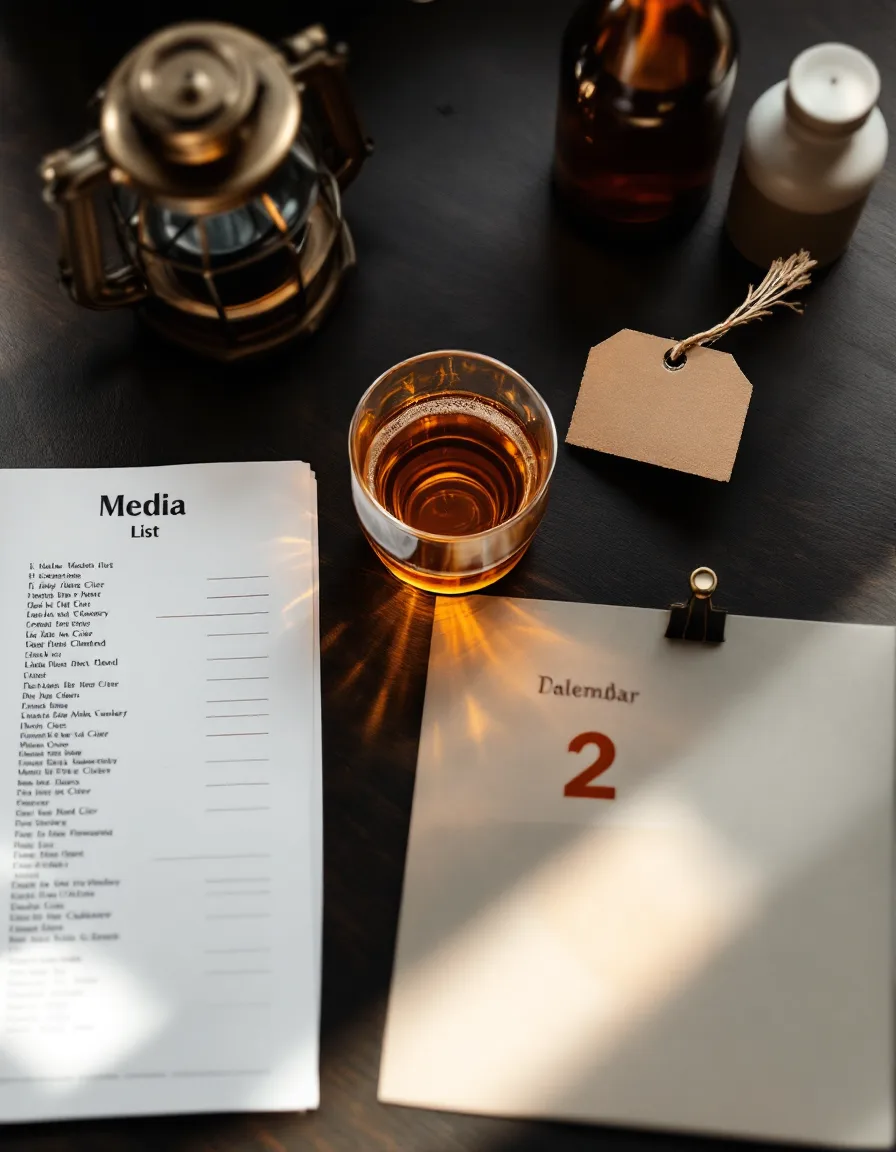
Four things live next to the keyboard for every launch. None of them are glamorous. All of them are why writers keep opening our emails.

Top-down view of a desk with a tasting notebook, a craft beer can and glass, an embargo sheet beside a brass clock, and a sample shipping box
Fig. 03 — Hover a note to find it on the desk
  1. The tasting notebook

    Every release gets a page before it gets a pitch: aroma, finish, and the thing your head brewer said off-hand on the brief call that’s better than anything on the tech sheet.

  2. The can itself

    We pitch from the glass, not the sell sheet. If it’s a hazy, we want to know if it’s juicy or dank. If it’s a barrel-aged rye, which barrel and for how long.

  3. The embargo clock

    Everything runs on Eastern time. Lift is 6:00am ET on release day unless the story needs otherwise, and every writer on the list gets the same moment.

  4. The sample tracker

    Who asked, what shipped, cold-pack or not, and which states your samples legally can’t go to — flagged before anything leaves your dock.

K&L · Tech sheetBottled in Staten Island, NY

Kettle & Lantern, poured neat

Style: earned media, drinks only

Origin
10825 72Nd Ave, Staten Island, NY 10305
Ingredients
Press release writing, journalist pitching campaigns, launch-day media kits
Conditioning
First draft in 5 business days · 3-week pitch window
Best before
Book 6 weeks ahead of release; 3–4 months for seasonal roundups and gift guides
Serve
Mon–Fri 8:30am–6pm · (860) 508-5198

Is this you?

Pours best for

  • Breweries with a release that has a real story — a new barrel program, a revived recipe, a collab worth explaining.
  • Distilleries putting out a first whiskey, a cask finish, or a still house opening its doors to visitors.
  • Cideries with a new vintage, a single-orchard bottling, or a perry nobody’s writing about yet.
  • Teams with a release date on the calendar and someone who can spare thirty minutes for a brief call.

Probably not the right pour

  • National brands with an in-house comms team — you need a retainer agency, not us.
  • Launches dropping next week with nothing written yet. Call anyway — we’ll tell you honestly what The Release can still do.

Fast-forward six weeks

Your release date. Our desk. Their bylines.

It’s October — Q1 releases and Dry January stories are getting assigned right now. Send us the date and what’s in the glass; we’ll reply within one business day with the campaign that fits.